Transforming Your Marin County Curb Appeal with Sustainable Fiber Cement
Marin County homes sit between salt air off the Golden Gate Bridge corridor and redwood canyons that stay damp for days. Siding that looks sharp on day one needs to keep its shape and color through years of marine moisture and hillside wind. That is where fiber cement shines. It installs clean, holds paint or factory color, resists fire, and stands up to Karl the Fog. Homeowners who start by searching for siding contractors Bay Area often end up comparing fiber cement installations in Mill Valley, Sausalito, San Rafael, and Novato because the material meets both the weather and the wildfire questions that have become standard across the North Bay.
This article explains how a Marin-focused fiber cement installation gets specified, permitted, and built to 2026 standards across the Bay Area. It reflects field practice from hundreds of jobs on the North Bay side of the Bridge and on the Oakland, Berkeley, and San Francisco sides as well. It speaks to homeowners ready to pick a contractor rather than browse ideas. The goal is curb appeal that lasts while meeting code and manufacturer warranty terms.
Why Marin County benefits from fiber cement
Marin combines coastal influence with steep terrain. Stinson Beach, Sausalito, and Mill Valley carry marine moisture much of the year. San Rafael and Novato see more sun and afternoon wind. Fiber cement handles both. James Hardie siding is a composite cement board with cellulose fibers and additives. It is noncombustible to ASTM E136 and carries a Class 1A fire rating under ASTM E84 for flame spread index 0. It also meets ASTM C1186 and C1325 for exterior cement board performance. In practical terms, it does not burn in ember storms, it does not soak up water like unsealed wood, and it holds fasteners without crushing when installed to spec.
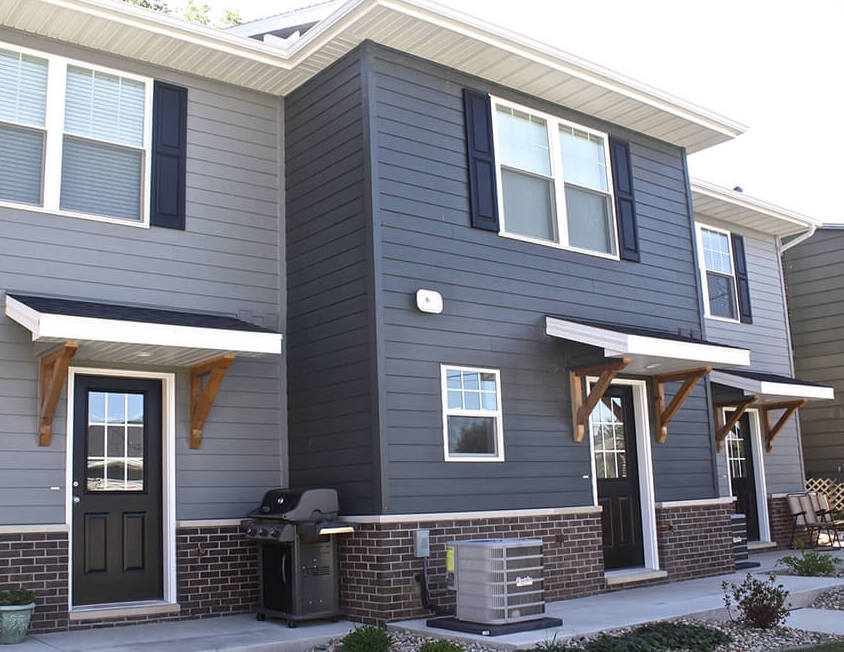
Marin owners often weigh cedar shingle beauty against ongoing maintenance. Grade-A Western Red Cedar can look great, but it needs careful finishing and shorter repaint cycles near the water. Fiber cement in a HardieShingle profile gives the look without the frequent maintenance. For contemporary hillside homes, HardiePanel vertical siding with HardieTrim battens can deliver the clean lines that match current Marin architecture.
HardieZone matters on the North Bay
James Hardie segments the country by climate and corrosivity. The Bay shoreline and coastal hills fall under the HardieZone 4 coastal system specification. That calls for specific accessory choices and fastener classes that resist salt-laden moisture. In Marin waterfront areas such as Sausalito 94965 and Mill Valley 94941, stainless steel ring-shank nails reduce fastener head rust and staining. Inland in San Rafael or Novato, hot-dip galvanized fasteners are generally acceptable, with stainless used within one mile of the Bay or for west-facing elevations that take wind-driven rain. The weather-resistive barrier also matters. HardieWrap or an equivalent WRB must be lapped, flashed, and integrated with windows to create a drainage plane that sheds water rather than trapping it.
Color is another HardieZone decision. ColorPlus Technology is the factory-applied finish. It arrives baked on and carries a 15-year fade and finish warranty when installed by credentialed crews. For Marin’s sun and fog mix, ColorPlus reduces repaint cycles and helps keep darker colors stable on south and west elevations. Where owners prefer custom colors, field painting after installation works, but the strongest warranty position stays with ColorPlus installed by an Elite Preferred contractor.
Microclimate-driven specification by address
Each Marin neighborhood has a distinct exposure profile. Sausalito’s Hill District homes see salt spray that rides the wind. Mill Valley’s Old Mill and Tamalpais Valley hold moisture after rainfall. San Rafael’s Dominican and Sun Valley see sun and wind that age field paint faster if preparation is weak. That is why the installation plan changes by home. The right fastener class, sealant chemistry, and flashing sequence are not one-size-fits-all choices in this county or anywhere else across the Bay Area.
For waterfront and high-salt corridors, a stainless steel fastener class and marine-grade polyurethane caulk keep the envelope sealed. On inland sites, hot-dip galvanized nails and high-performance polyurethane caulks perform well. Z-flashing at butt joints, kickout flashing at every roof-to-wall intersection, and drip caps at window heads keep water from entering behind siding. These parts matter even more on Marin’s west and south elevations where wind lifts rain under simple lap joints.
Profiles that fit Marin architecture
Marin presents a broad mix of styles. Many Mill Valley homes started as redwood-clad shingle style and later took on additions. Sausalito has hillside contemporary homes that favor strong horizontal lines. San Rafael and Novato carry mid-century ranch and newer production styles. Fiber cement can track each one cleanly:
HardiePlank lap siding in the Cedarmill texture gives a wood-grain look that suits shingle style and ranch homes. Reveal control to 4.5 inches or 6 inches pairs with common Marin proportions. The Artisan Collection has thicker boards for deeper shadow lines when the design calls for it. HardieShingle straight edge or staggered edge panels fill gables and full walls where a shingle aesthetic matters. HardiePanel vertical siding with HardieTrim battens sets up classic board-and-batten for contemporary or farmhouse notes common in Tiburon and Kentfield remodels.
What curb appeal means in Marin
A curb-facing wall along Miller Avenue in Mill Valley or Bridgeway in Sausalito takes daily public view. Lap spacing needs to track laser-straight. Trim miters must close tight. Caulk beads have to be even. Those are installation craft details that change drive-by impressions and appraisal notes. On sloped lots, plumb and level checks need to happen at each course because hillside foundations sometimes drift a degree or two out of level. A good crew adjusts reveals to maintain visual harmony even when the structure asks for correction.
Local claim: Permit speed changed in 2026
San Francisco’s PermitSF online portal went live for siding and window scopes on February 13, 2026. Correctly assembled in-kind fiber cement siding packages for residential addresses in zip codes such as 94122, 94116, 94118, and 94114 have seen approvals in as little as two business days. That replaces the multi-week waits at the 49 South Van Ness Avenue permit center before the digital shift. While Marin and North Bay jurisdictions run separate systems, this San Francisco pace change affects owners stacking projects across counties and sets a new expectation for digital submittals across the region.
Installation details that protect Marin homes
Fiber cement is forgiving in service but exacting during installation. Every cut must be straight and field-primed on the cut edge before the board is fastened. That seals the cement board and reduces moisture wicking. Carbide-tipped blades built for fiber cement limit dust and give clean edges. Nails must be flush-driven without fracturing the board face. Over-driven nails or shattered edges lead to cracks and future leaks. Butt joints get 1/8-inch gaps where required and receive Z-flashing so water never sits behind a joint. Penetrations around hose bibs, light fixtures, or vent caps get backer flashing and a full perimeter bead of polyurethane caulk that bonds to the board and trim.
At roof-to-wall transitions, kickout flashing catches water sliding down shingles and throws it into the gutter rather than behind siding. This small part stops the common stain line that shows up one year after a re-side and prevents rot lines at the ledger. Window and door heads receive drip caps tucked under the WRB, then the siding laps over that metal leg. Sills and jambs get flexible flashing that ties into the WRB so any stray water drains back out. These are not overkill touches. Marin’s slant rain during winter storms makes these details the line between a 30-year clean wall and a 5-year repair bill.
What failure looks like and why replacement costs jump
Owners often call after seeing peeling or bubbling paint, especially on west-facing walls. That usually means trapped moisture behind the siding has already reached the OSB sheathing. Once the WRB loses integrity, water migrates laterally and vertically along fastener lines. When sheathing gets soft, what looked like a $25,000 re-side can become a $33,000 to $40,000 scope after sheathing replacement and dry rot repair. This cost jump is common across the Bay shoreline, from the Outer Richmond in San Francisco to Sausalito. In Marin valleys, steady shade drives slower but steady rot if flashing is missing. A good estimate will describe where probe testing points to sheathing replacement and where removal will confirm intact substrate.
Fire, code, and Marin hills
While Marin is not the same WUI puzzle as the Oakland Hills or Orinda on the Contra Costa side, many Marin neighborhoods do sit near wildland areas. Fiber cement’s noncombustible rating answers Chapter 7A assemblies for many jurisdictions that reference the California Building Code. In mixed-material exteriors, trim selection matters as well. AZEK or other cellular PVC trims can be used strategically, but many owners prefer HardieTrim to keep a single manufacturer system and warranty alignment.
Comparing materials for North Bay life
Cedar and redwood remain beautiful, especially for historic or high-end Marin projects. They also demand strict finish schedules. Vinyl can work in inland Bay Area suburbs but does not satisfy Chapter 7A noncombustible standards and can distort near heat sources. Engineered wood products like LP SmartSide read warm and install fast but do not match the noncombustibility of fiber cement. For most Marin curb-facing walls, fiber cement balances appearance, fire performance, and long-term cost. The manufacturer’s 30-year product warranty, plus the ColorPlus 15-year fade and finish warranty, puts a long service window on the investment. The installation needs to follow James Hardie Best Practices or those warranties do not stand when an issue arises.
Marin-specific price ranges in 2026
Bay Area labor and site constraints add cost. Marin projects with sloped access, narrow streets like in Mill Valley canyons, or scaffold staging on Sausalito hillsides see lift and labor time added. Across the Bay Area, installed siding pricing spans roughly $7 to $20 per square foot depending on profile, trim complexity, and access. For full replacement on typical Marin single-family homes, project totals often fall between $18,000 and $45,000, with high-architectural or waterfront work rising above that range. San Francisco’s Victorian stock often runs 25 to 40 percent higher because of ornate trim and Planning review, which puts many SF re-sides between $25,000 and $55,000. Marin’s historic pockets with complex trim and gables can track similar numbers when owners preserve original profiles. If asbestos cement siding is present on pre-1981 homes, removal typically adds $7 to $12 per square foot for abatement, packaging, and disposal at certified facilities.
San Francisco permits vs Marin permits on the same job stack
Many Marin owners also own a San Francisco flat or small building. They compare permit paths and timelines. San Francisco now routes siding and window scopes through the PermitSF digital application with the 2025 California Building Codes in effect as of January 1, 2026. In-kind fiber cement replacements without design changes often qualify for the 48-hour target under the in-kind approval pathway. Historic district work such as in Liberty Hill or Dolores Heights starts with SF Planning preservation standards and may take 3 to 8 weeks. Marin County and its cities run their own building departments. They generally require permit applications with product cut sheets, WRB spec, and, if structural repair is needed, simple framing detail sheets. For both sides of the Bridge, the 2026 code set expects continuous WRB, proper flashing integration at fenestrations, and fastening that meets the manufacturer’s tables.
From Outer Richmond to Mill Valley, corrosion is different
Across the Golden Gate on the San Francisco side, the Outer Sunset 94122, Parkside 94116, and Outer Richmond 94121 see 150-plus fog days per year. Salt-laden moisture raises corrosion risk. Stainless fasteners and marine-grade polyurethane sealants become the standard there. Marin’s Sausalito waterfront and Mill Valley flats feel similar exposure, so the same fastener and sealant choices carry over. In San Rafael and Novato, hot-dip galvanized nails with high-performance polyurethane sealant perform well. On jobs along the Corte Madera Creek or Richardson Bay where salt air drifts inland, stainless upgrades at corners, window trim, and butt joints are worth it because these are the places where fastener head rust streaks show first.
Historic trims without historic headaches
Marin does not have the same volume of Victorian districts as San Francisco, but older shingle style in Mill Valley and Sausalito asks for scale-aware detailing. HardieTrim profiles can hold classic corner boards, water tables, and frieze lines. Where a gable wants shingle rhythm, HardieShingle straight edge panels keep rows even without individual shingle layout. Owners who want deeper shadow lines for a Pacific Heights level presence on a Marin estate often pick the James Hardie Artisan Collection. It costs more per square foot but delivers high relief that reads custom from the street.
Technical markers that define a high-quality install
Every siding job describes itself up close. A few field checks confirm whether an installation will age well. The drainage plane must be continuous behind the siding so water that enters can leave. The starter strip has to be straight or the first course telegraphs problems up the wall. Butt joints need even spacing and Z-flashing. Nail heads must sit flush, not dimpled. Cut edges must be primed before they disappear behind the lap above. Caulk beads should be smooth, unbroken, and sized to the joint. A walkaround after the first elevation lets owners see these patterns. This is the point where adjustments are easy and future warranty claims get prevented.
Common Marin project scenarios
- Mill Valley redwood shingle home near Old Mill Park gets HardieShingle with stainless ring-shank nails, HardieWrap WRB, and ColorPlus Monterey Taupe to hold tone in fog and part sun. Sausalito waterfront cottage near Bridgeway re-sides in HardiePlank Cedarmill with stainless fasteners, marine-grade polyurethane caulk, and continuous kickout flashing at both roof returns. San Rafael mid-century ranch in Dominican swaps failing T1-11 for HardiePanel vertical with 1x2 HardieTrim battens, hot-dip galvanized fasteners, and ColorPlus Arctic White for a crisp modern read. Novato production home replaces builder-grade composite with HardiePlank 6-inch exposure, adds Z-flashing at every butt joint, and corrects over-driven nails from the original install. Belvedere hillside contemporary upgrades to the Artisan Collection for deeper shadow lines; scaffold staging planned to protect landscaping and access tight driveways above the water.
Integration with windows and doors
New siding often pairs with window replacements. In Marin and across the Bay Area, Title 24 energy rules govern U-factor and SHGC for windows. Certified Anlin Dealer installations using Anlin windows with QuadraTherm dual pane insulation and Infinit-e low-e glazing meet current Title 24 needs and keep coastal condensation down. The key for siding crews is to integrate window head and sill flashing into the WRB sequence. A clean integration keeps the wall dry and protects the new units. On projects where windows remain, head, jamb, and sill flashing can still be upgraded during the re-side to improve long-term water control.
Why some walls fail early in Marin
Most early failures trace back to two things. Missing flashing at roof-to-wall and window heads, and fasteners that are the wrong corrosion class for the site. Salt air finds plain steel. It will rust hot-dipped nails if the coating is thin or compromised. It will stain the siding face and pull water in at rust sites. Another frequent issue is improper WRB lapping that allows wind-driven rain to push water behind the wrap. When that happens, the water sits on sheathing, warms in the sun, and feeds fungi that create dry rot. Diagnosis is not guesswork. A trained inspector reads stain patterns, probes suspect areas, and documents what the tear-off will likely reveal.
How siding contractors Bay Area crews stage Marin jobs
Access is everything on Marin slopes. Crews stage material deliveries during low-traffic windows on roads like Panoramic Highway or Shoreline Highway to avoid backups. Scaffold or pump-jack decisions depend on terrain, eaves, and landscaping. Waste removal routes protect driveways and tree roots on steep lots. On Sausalito hillside streets, truck positioning, flagging, and neighbor communication keep the project calm. Good siding contractors Bay Area teams build a site plan that balances pace and protection. They also sequence tear-off and install by elevation so the WRB and rain exposure never sit in tension for more than a day on a given wall.
Choosing profiles and color for long-term value
Marin buyers recognize Hardie profiles at open houses. Appraisers note condition, profile consistency, and manufacturer brand. Lap profiles between 4.5 inches and 6 inches feel correct on most Marin homes. Very narrow reveals can read busy on larger walls, while very wide reveals can look flat. ColorPlus colors like Iron Gray or Evening Blue make sharp coastal statements; Cobble Stone or Monterey Taupe blend well under redwoods. On windy south or west elevations that bake in the afternoon, darker tones benefit from ColorPlus fade resistance rather than field paint. Owners who want a custom color can field-paint after installation. siding contractors Bay Area The key is high-quality prep and paint systems that stay elastic and UV stable.
Warranty alignment requires correct install
James Hardie’s 30-year product warranty and ColorPlus 15-year finish warranty depend on best-practice installation by trained crews. That means correct fastener length into framing, proper overlap, field-primed cuts, and correct joint treatment. It also expects compatible sealants and correct clearances at grade and roofing. Many warranty denials trace back to installers who skipped these basics. Siding contractors Bay Area who hold manufacturer credentials have internal checklists aligned to those requirements because their status depends on close-rate quality metrics and post-install inspection results.
Siding contractors Bay Area vs single-city providers
A contractor who swings crews from Oakland 94612 to Mill Valley 94941 and across to San Francisco 94123 reads the salt and sun differences in material choice. That breadth matters when specifying fasteners, sealants, and WRB for Marin jobs. Siding contractors Bay Area with cross-bridge experience see how the Outer Sunset or Marina exposure maps back to Sausalito waterfront or Richardson Bay corridors. That knowledge reduces callbacks and keeps curb appeal tight long after install day. It also speeds permitting, inspection scheduling, and vendor logistics because the shop already works each jurisdiction weekly.
What a complete Marin fiber cement scope includes
- Tear-off and haul-off of existing siding with EPA Lead-Safe procedures on pre-1978 homes and asbestos protocols for transite if present. Sheathing assessment and replacement of any OSB or plywood that fails probe testing, with photo documentation for the owner. Full WRB installation using HardieWrap or equivalent, window and door flashing integration, and starter strip alignment. James Hardie cladding in the chosen profile, fastened with stainless or hot-dip galvanized nails per microclimate, with field-primed cut edges and Z-flashing at joints. Trim and accessories including HardieTrim, kickout flashing, drip caps, and color-matched caulks to complete the water management system.
Siding contractors Bay Area and 2026 code compliance
The 2025 California Building Codes, effective January 1, 2026, expect continuous WRB, compliant flashing, and manufacturer-aligned fastening schedules. Title 24 energy sealing interacts with the siding envelope because penetrations, foam around windows, and WRB continuity support the thermal boundary. In San Francisco, the DBI and PermitSF digital process centralize these checks. In Marin, local building departments review cut sheets and sometimes ask for product listings that reference ASTM C1186, C1325, and fire-resistance ratings. Siding contractors Bay Area who submit full packages on the first pass shorten plan review. They also track inspection pacing so tear-off and install sequences match field inspections without idle days.
Why field teams matter more than brochures
Most brochures look the same at the dining table. What changes outcomes is the field crew’s habit stack. The foreman who checks nail depth on the first course. The installer who wipes primer onto every cut before lifting the next board. The lead who pulls back a corner of the WRB during tear-off to see how the old system drained. The crew that pauses to revise kickout placement when a roofline returns into a cross slope. These low-profile choices set curb appeal and long life. They also keep manufacturer and installer warranties intact because the job aligns with both sets of standards.
Shareable Marin reality about moisture
Salt and fog exposure amplify even small installation mistakes. Field data gathered across the Bay Area show that west-facing wood siding without a modern WRB in the fog belt can show visible rot infiltration within 8 to 12 years. That same wall built with fiber cement, HardieWrap, stainless fasteners, and correct flashing often runs 25 to 30 years before major maintenance. The difference is not just material. It is sequencing, fastener selection, and details at joints and penetrations. For Marin’s coastal influence, those details decide whether paint peels by year five or color holds like new into the second decade.
Why many Marin owners select ColorPlus over field paint
ColorPlus Technology arrives cured and uniform. It eliminates weather windows for field painting that can be tricky in Mill Valley and Sausalito where afternoon fog rolls in fast. It also keeps color families consistent across future additions. When owners plan to repaint in custom tones in a few years, field paint at install is fine. For most curb appeal projects seeking a 10-plus year color cycle, ColorPlus keeps the street view sharp with less fuss, and its 15-year fade and finish warranty documents that expectation.
Integration across Bay counties matters
Many Marin families live and invest across counties. A San Rafael owner might also own a flat near Alamo Square in San Francisco 94117 or a craftsman in Berkeley 94703. Comparing results across those homes pushes a higher bar for Marin work. Siding contractors Bay Area with Oakland headquarters near Lake Merritt and jack London Square can route material up Highway 101 or over the Bay Bridge along Interstate 80 with predictable timing. That logistics reliability shows up as on-time starts, clean staging, and faster closeout, which neighbors notice as much as they notice clean lap lines from the sidewalk.
How siding contractors Bay Area document Marin jobs
A strong siding estimate includes photos, notes on suspected sheathing conditions, a clear fastener plan for the address, a WRB and flashing description, and the profile, reveal, and trim package in writing. During the job, daily photo updates show tear-off findings, sheathing repair, and flashing before cladding. Closeout packages include the manufacturer warranty registration and installer warranty documentation. This is not paperwork for its own sake. It protects resale value because buyers see a complete envelope record. Marin agents now ask for this as often as they ask for roof and sewer lateral reports.
Environmental and maintenance footprint
Fiber cement does not invite termites and does not feed rot. Its service life reduces the cycle of tear-off and landfill compared with short-life claddings. When crews collect dust with proper saw attachments and keep site waste sorted, the environmental load stays low. Owners who want to reduce maintenance further can pair siding with new gutters that include wide-mouth downspouts to keep splashback off lower courses.
What to expect on site in Marin neighborhoods
Expect crews to protect driveways, plantings, and decks. On steep Mill Valley lanes, expect staging in tighter zones with scheduled deliveries. On Sausalito streets, expect flaggers during material load-in. On San Rafael cul-de-sacs, expect standard curbside staging. Good teams respect quiet hours, coordinate with neighbors, and keep walkways clear. The day the last course goes on, the site should look as calm as it did the day before tear-off, just with sharper lines and stronger color.
Siding contractors Bay Area and Marin curb appeal
Curb appeal in Marin is not a single profile or color. It is a system that starts with the WRB, moves through flashings and fasteners, sets clean reveals, and lands with a stable color You can find out more story that fits the street. Siding contractors Bay Area with deep Marin work know that a home under Mt Tamalpais reads differently from a home along the Sausalito Waterfront. They specify to both the look and the exposure so the investment pays off in daily pride and resale value.
Who installs your fiber cement matters more than the brand
James Hardie sets strict installation standards for a reason. Installers who follow them give owners a stronger warranty position and fewer service calls. Crews who rush nail depth, skip priming cuts, or ignore kickouts leave owners with problems that show up after the last check clears. Marin weather will find every shortcut. That is why homeowners comparing bids from siding contractors Bay Area often look beyond total price to see the installation plan, microclimate choices, and crew credentials.
Next steps for Marin homeowners ready to install
Best Exteriors installs fiber cement across Marin County and the broader region from its Oakland HQ at 1999 Harrison Street Suite 10219, Oakland, CA 94612. The team operates across San Francisco, Oakland, Berkeley, Sausalito, Mill Valley, San Rafael, Novato, and into the Peninsula and Sacramento. As a James Hardie Elite Preferred Contractor, Best Exteriors specifies and installs to HardieZone 4 coastal system requirements, integrates HardieWrap weather barrier with window and door flashing, and uses stainless or hot-dip galvanized fasteners by microclimate. This credential level unlocks the manufacturer’s strongest coverage and supports a Double Lifetime Warranty on siding installations. The company is CSLB Licensed and Insured, License #923505, Diamond Certified, BBB Accredited A+, NARI member, and EPA Lead-Safe Certified for pre-1978 housing. For window pairing, the firm is a Certified Anlin Dealer offering QuadraTherm dual pane insulation and Infinit-e glazing that meet Title 24. Every San Francisco project includes full PermitSF and DBI application and inspection management; Marin, East Bay, Peninsula, and Sacramento permits are handled end to end. A free in-home or virtual consultation is available, with transparent scopes, photo documentation, and 2026 code compliance guaranteed. Financing at 100 percent of project cost is available, and there is currently $1,000 off promotional pricing. Homeowners looking for siding contractors Bay Area who can deliver Marin-ready fiber cement installations can request a consultation today and receive a clear, microclimate-specific plan for their address.
Best Exteriors
Premium Window & Siding Specialists
The Pacific Heights Standard: We utilize Marvin Ultimate Wood Windows with a U-Factor of 0.22, exceeding 2026 Title 24 standards. Our team navigates the San Francisco Planning Department case-by-case review, securing Form 8 permit applications for historic architectural integrity.